Over the past few years, Baraya Barray – Whale Song has travelled across many different communities and Countries, sharing stories, songs and poems connected to whales, ocean knowledge and the living world around us. Along the way, we noticed something special: it wasn’t always the whale that took centre stage.
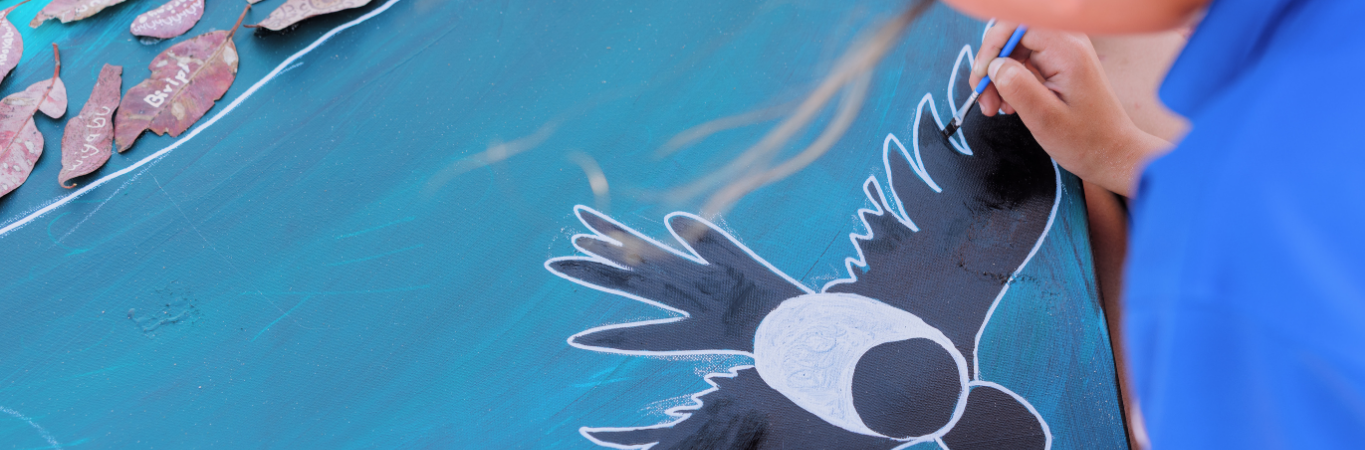
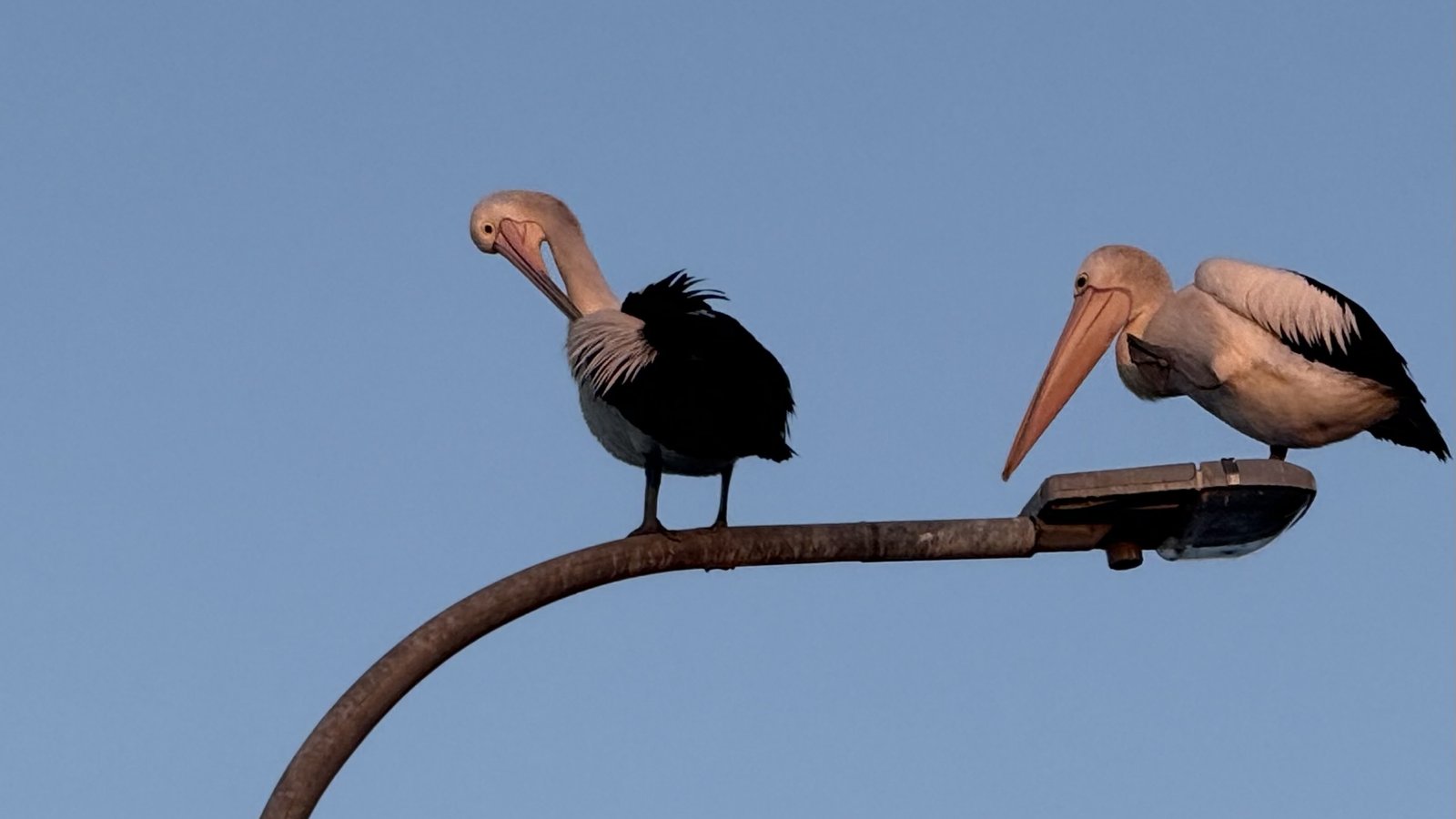
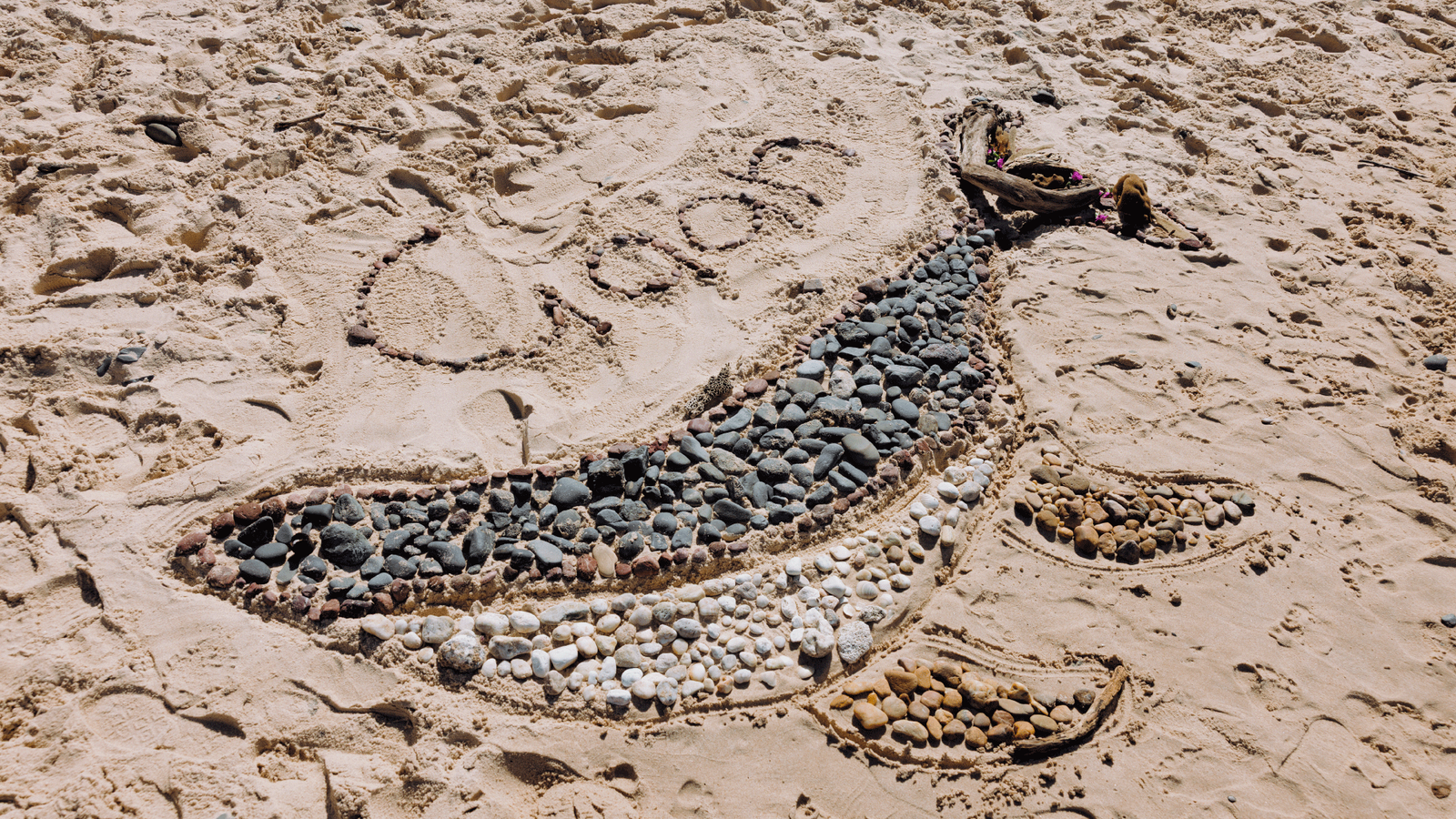
On Gumbaynggirr Country, students spoke about sea eagles circling above the school. On Bundjalung Country, a pair of curlews nesting near the playground became local celebrities. Biripi felt protected by proud pelicans. Some communities shared stories about sacred mullet runs in nearby rivers. Other schools had whale mascots, painted emblems or stories tied to the bushland, beaches, mountains and animals around them.
Every place carried its own relationship with Country, and every group of students had stories about the creatures and landscapes that shaped their home.
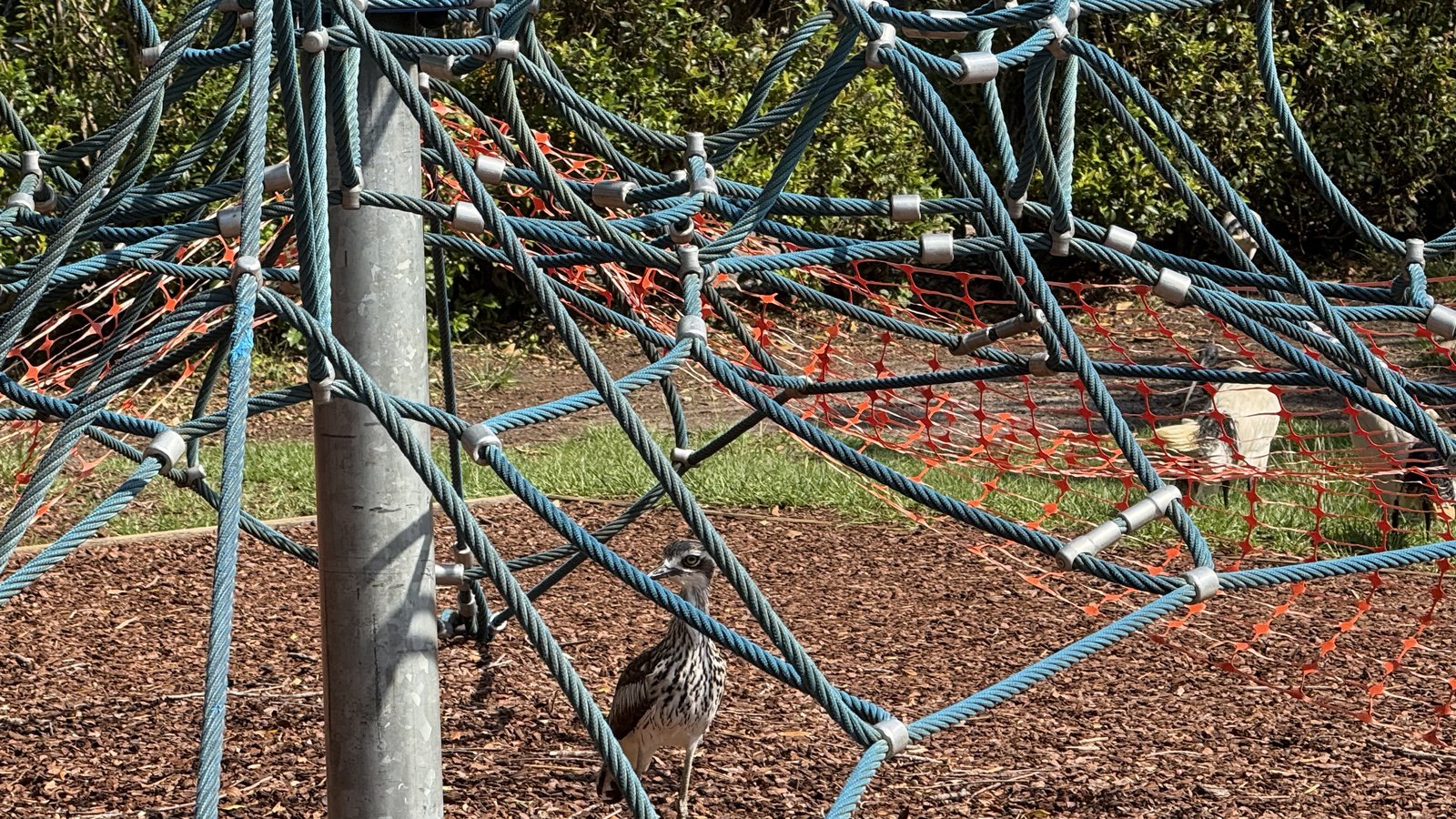
Poetry Prompt: Iconic Identities of Community & Country
Follow this poetry exercise in two steps:
1. Think about an animal, place or natural feature that feels important to your community.
Maybe it’s:
- A family pet.
- A bird you always see near home.
- A sports team mascot.
- A river, mountain, beach or stretch of bush.
- An animal connected to local stories or memories.
- Something that appears on signs, murals, uniforms or school emblems.
2. Write a poem that explores this connection.
You might think about:
- Why this animal or place matters.
- What stories people tell about it.
- What it sounds, smells or feels like.
- How people care for it, or how it cares for people.
- Whether it represents something bigger about your community.
Try to include strong sensory details. Let the reader see the place, hear the animal, or feel the weather around it.
Tip: A poem can be playful, personal, serious, proud or curious. Start with what you know, notice and remember.
Need some poetic inspiration?
Before writing, you might want to read 'Bundjalung Story,' a playful poem composed collectively by First Nation students and community members of Bundjalung Country.
They have created a poetic landscape by calling on the various plants and animals that connect with their school and local surrounds. Read the full poem below:
-
Bundjalung story
By Bundjalung Community (Byron Bay Public School)Little baby curlew
Curlew in the tree - ganggang
Weird dancing water dragon
Curlew guarding the pathway