An Interview with Gaga Wakulda Director Tad Souden

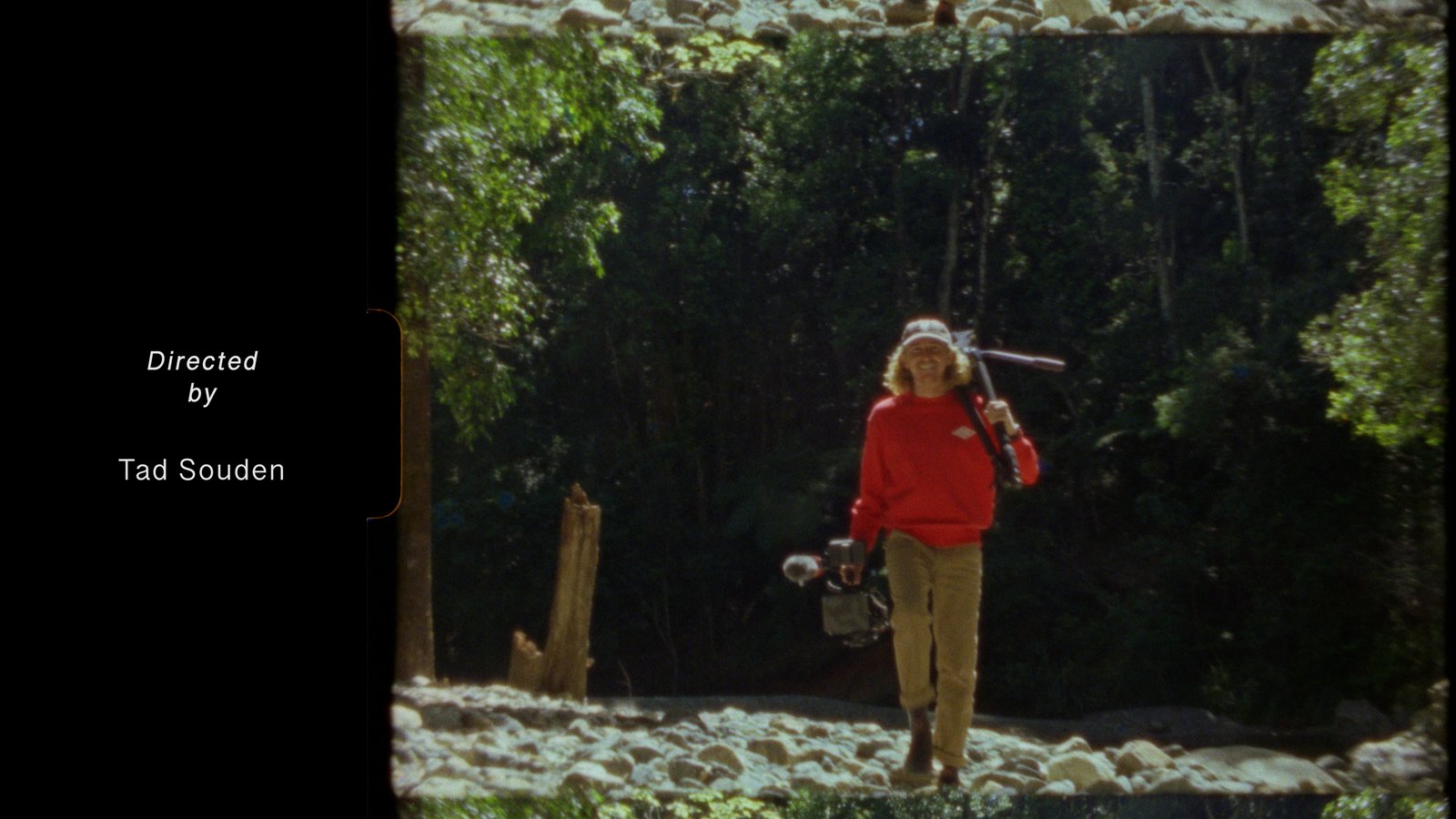
Gaga Wakulda, a documentary film commissioned by Red Room Poetry and directed by Tad Souden, will premiere at the Far South Film Festival on Saturday, 15 August 2026.
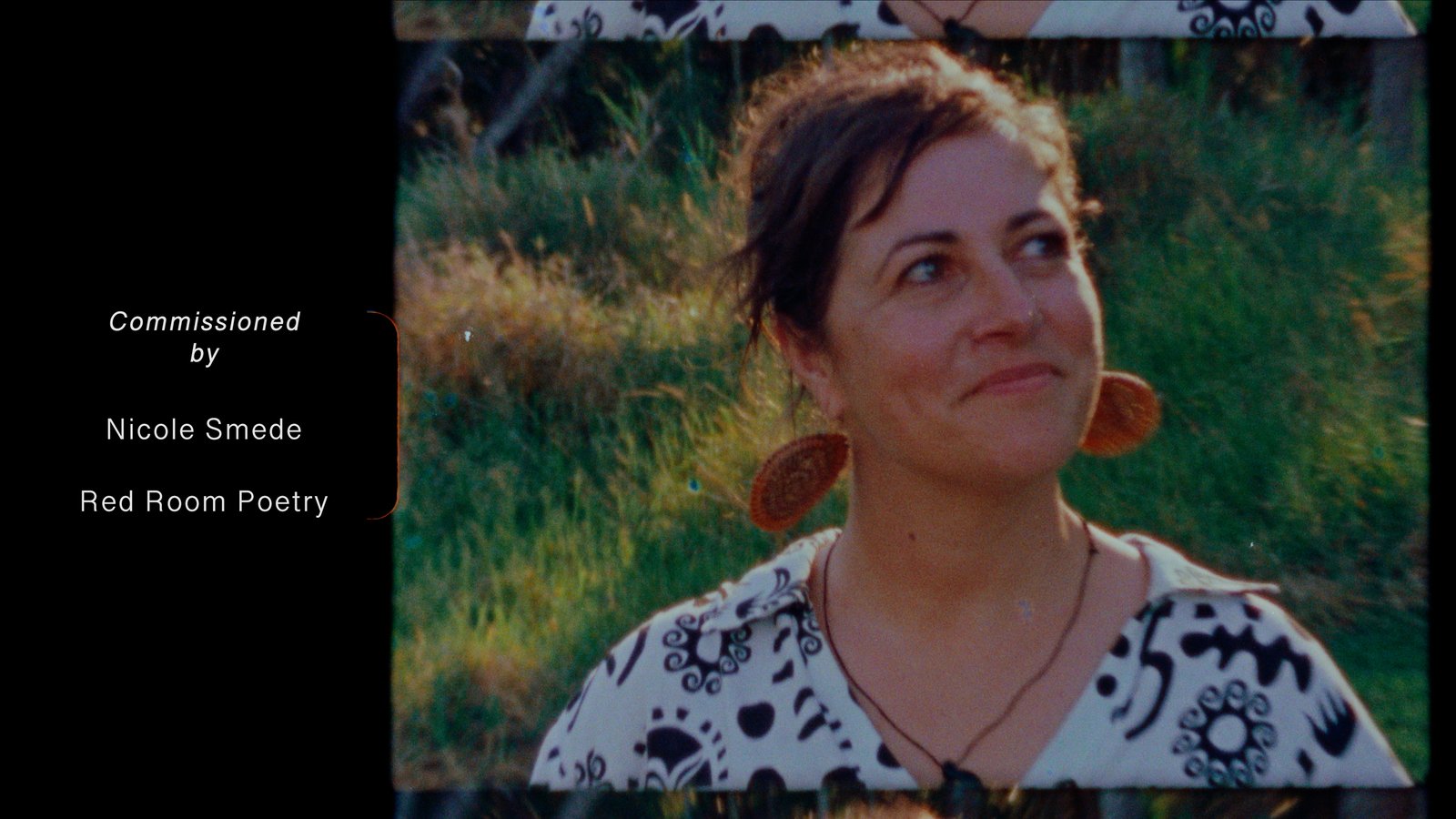
The film centres First Nations stories, voices and people involved in Baraya Barray - Whale Song. Led by Nicole Smede and supported by Luke Patterson, this program connects young First Nations people along the east coast with Elders, Language Custodians, scientists, poets and musicians to learn about and respond to one of our original language holders – the whales.
We spoke to Tad Souden, Film Maker and long time collaborator with Red Room Poetry, about his involvement in the project, its challenges and magic, and why he’s excited about Gaga Wakulda’s inclusion in the Festival.
Congratulations on your inclusion in the Far South Film Festival! Can you share a bit about your vision for Gaga Wakulda, the First Nations communities you worked with, and the process of collaborating with Red Room Poetry?
Thanks so much! Nicole reached out in early 2025 with the budget and the rough scope of creating a film that documented and shadowed the Baraya Barray school program. The program covers a lot of ground, so it presented quite a challenge in how to create something concise. I felt like I grew a lot both personally and professionally throughout this process.
I wanted the aesthetic to be consistent and for the film to bear witness to what each community wanted to show and express. I think that’s where the magic lies with this one – I couldn’t tell you precisely which direction we were going until after we wrapped up filming, and that’s why it ended up feeling so true and authentic to those involved. The communities that decided to engage with us were so warm, welcoming, trusting and vulnerable with us all in sharing their stories. It was a real privilege and honour to hear what they had to say.
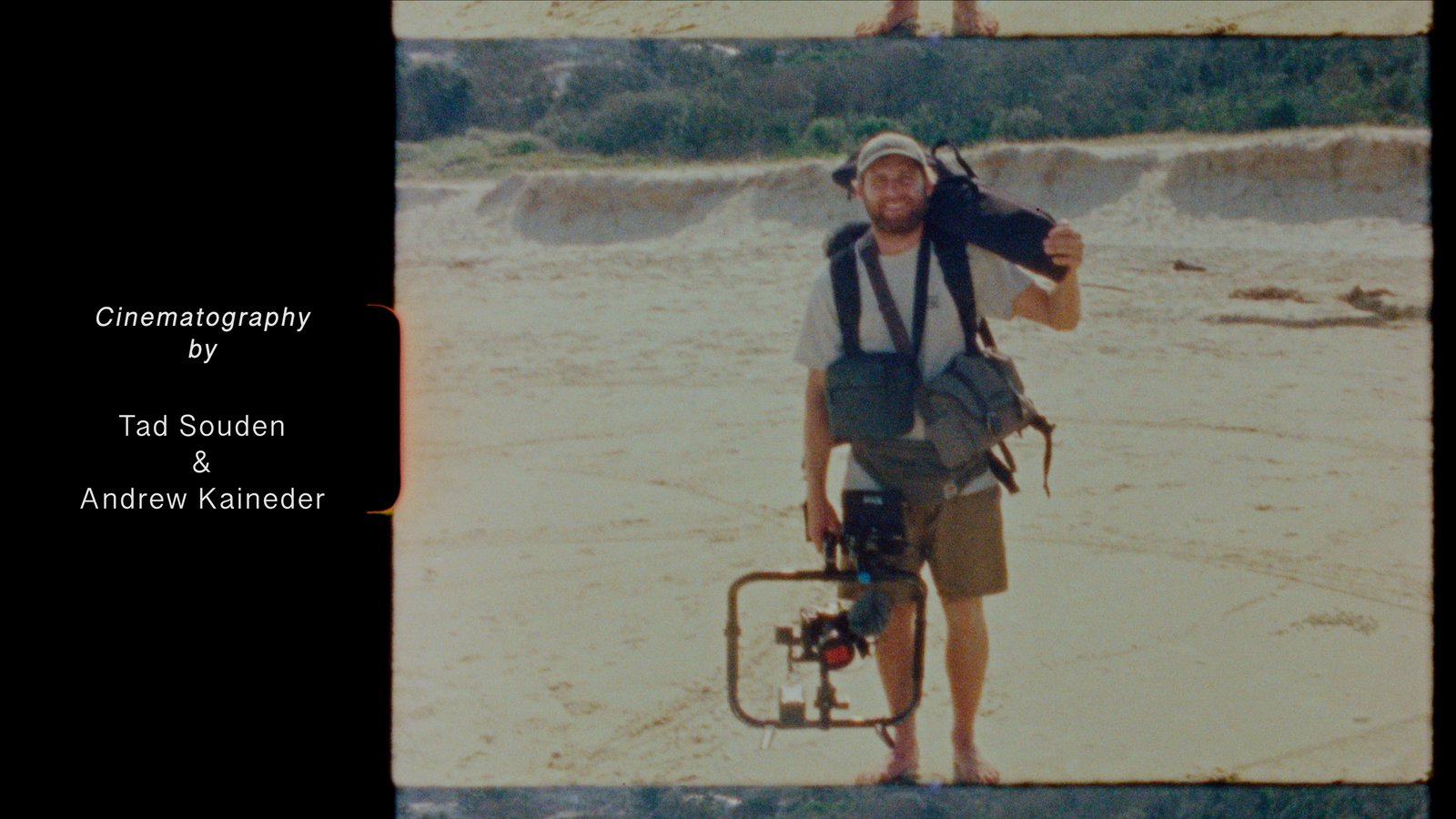
It was a massive undertaking sorting through all of the footage and recordings in post, and huge props go to Andrew Kaineder who did a lot of the writing and helped steer the ship to get the edit to a place that did the project justice. Having another brain to bounce off was paramount, and I wouldn’t have been able to pull this off without him and the rest of my team. People coming together to make it happen is also why this feels so special to me. It took many hands.
Baraya Barray – Whale Song uses the whale migration along the east coast as a great connector for community, language revitalisation, intergenerational cultural knowledge and creative expression. What does the film reveal about the purpose and impact of Baraya Barray, and how did it feel to witness and document that program?
I really appreciate the lack of pre-prescribed outcomes or agendas associated with the Baraya Barray program, which makes space for collaboration and collective learning. The program offers a scaffolding that makes it approachable for each student and community to show their own unique offerings. There’s no one single way to do things – just different approaches that point us all in the same direction.
As a bit of an anthropological nerd, I also enjoyed learning the similarities and differences between specific words and customs up and down the coast with all the communities we worked with.
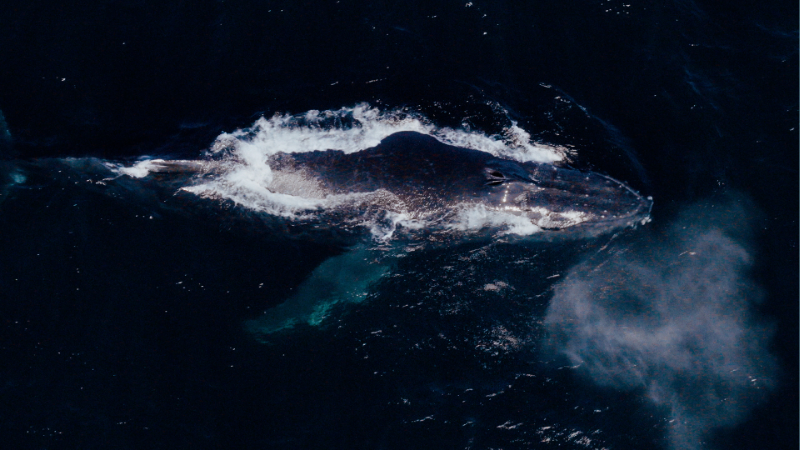
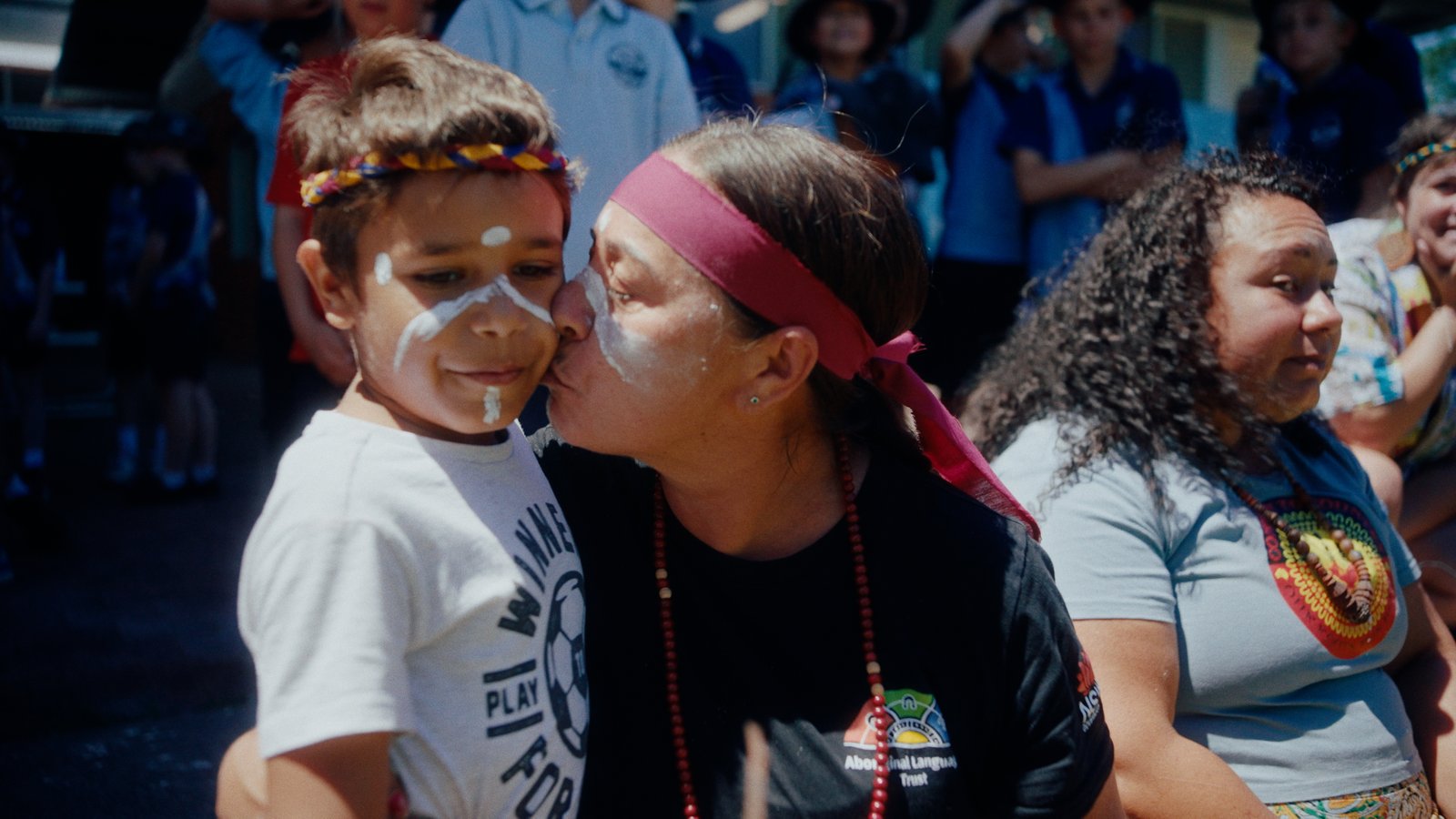
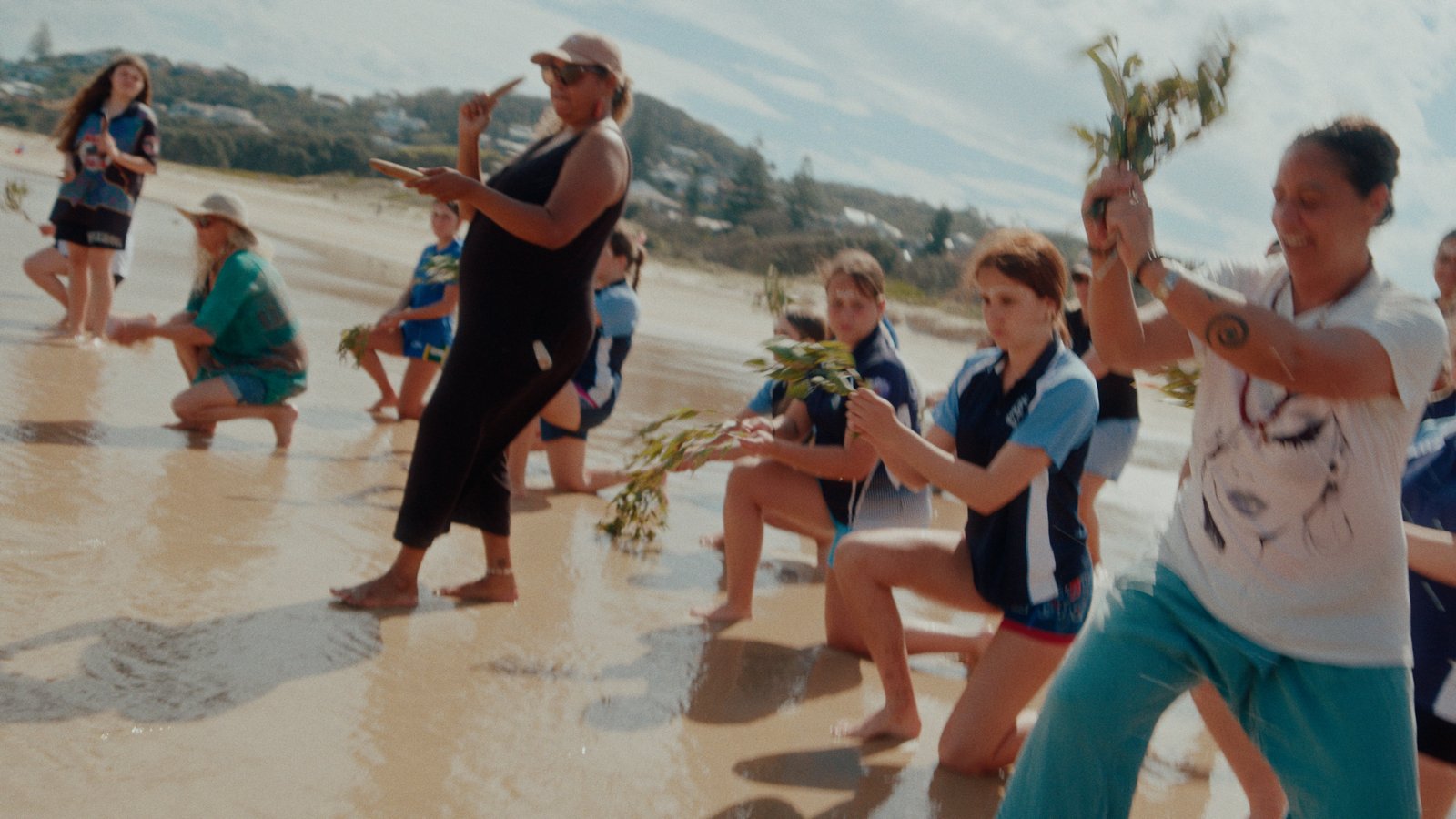
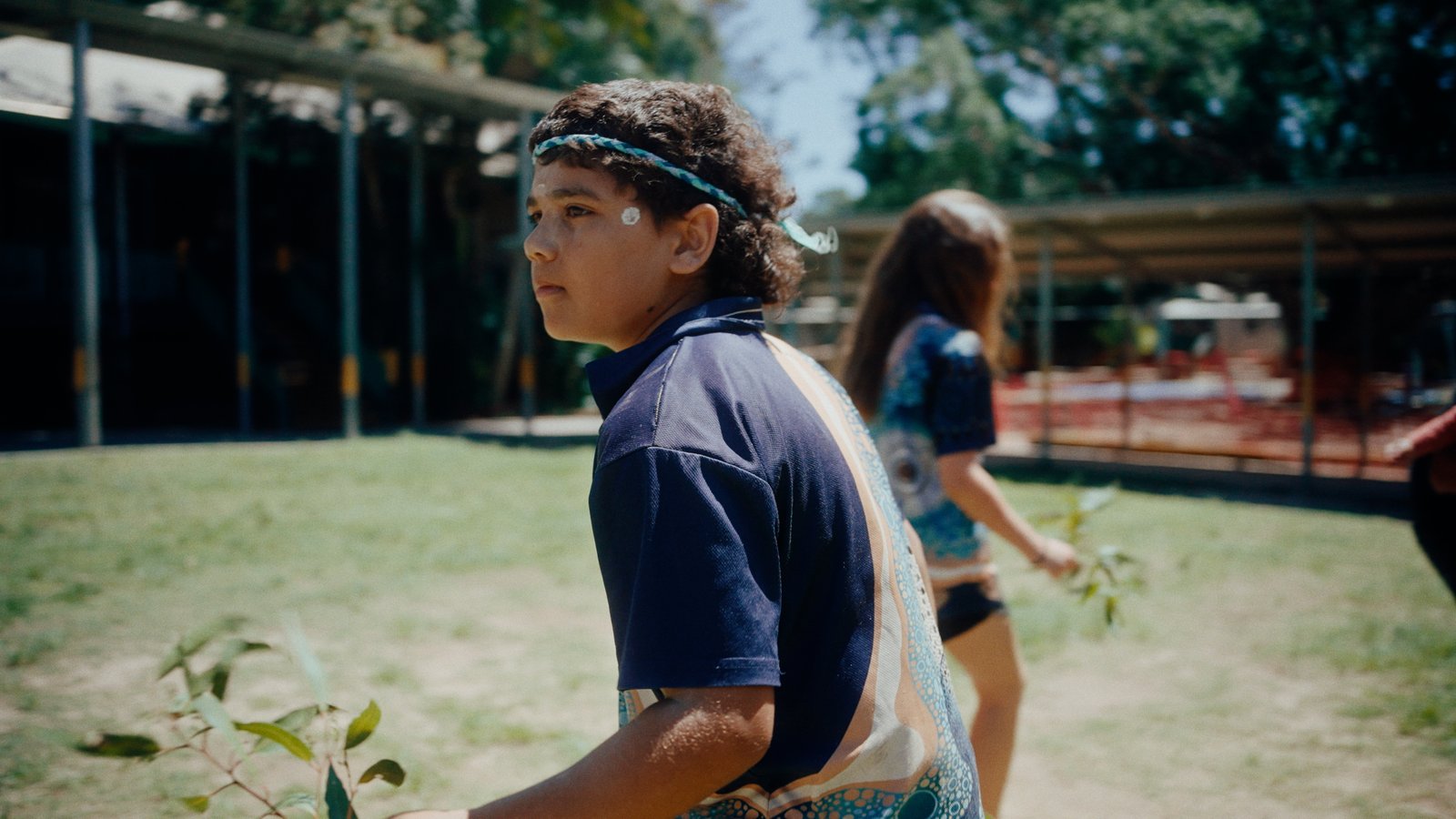
Film grab from Gaga Wakulda
What did you learn about the revitalisation of First Languages, and why are you so passionate about sharing this story?
Nicole speaks about this so well – how language comes from Country. First Nations people are so connected to the natural and spiritual world. If the land, ocean and sky had a voice and words for things, it would simply be the traditional language that exists in those places. Learning and understanding this deep and ancient connection to Country allows me to connect to the places I live or spend time on to a much deeper level.
I loved learning about the names of places or natural features and why they are called that. Everything has a story of significance and the depth of meaning is profound to me. As I’m not First Nations myself, it is a huge honour and privilege to be welcomed in to learn and experience some of the stories, knowledge and history.
Do you believe this film is relevant beyond Australia’s shores, given the growing global awareness of the devastating impact of colonisation upon Indigenous peoples?
I think the themes in this film are relatable all over the planet. Throughout this project I began to explore my own ancestry on a deeper level, and the forces that came into play to put me where I am now. Throughout history, Indigenous cultures have been colonised and replaced with monocultures that strip that ancient connection with the land in the name of power, greed and efficiency. Being able to identify this pattern over time and across continents reveals the human capacity for destruction and warns us to not repeat those patterns.
Nature loves diversity, and as we currently stand it’s a long road back, but I feel if we can all play our own individual roles in restoring the old ways of connecting to ourselves, culture and languages, we will help restore balance.
How does Country feature in Gaga Wakulda?
Country to me is the spirit and feeling that exists in each place. It’s essentially the same spirit (Country/life/consciousness) being reflected in many different forms (people, animals, plants, ocean, sky). I feel like Country or spirit moves at a certain cadence throughout its various forms, and I’ve tried to emulate that with both the filming, editing and soundtrack.
What are some of your favourite shots, and which moments from filmmaking felt the most precious or surprising to you?
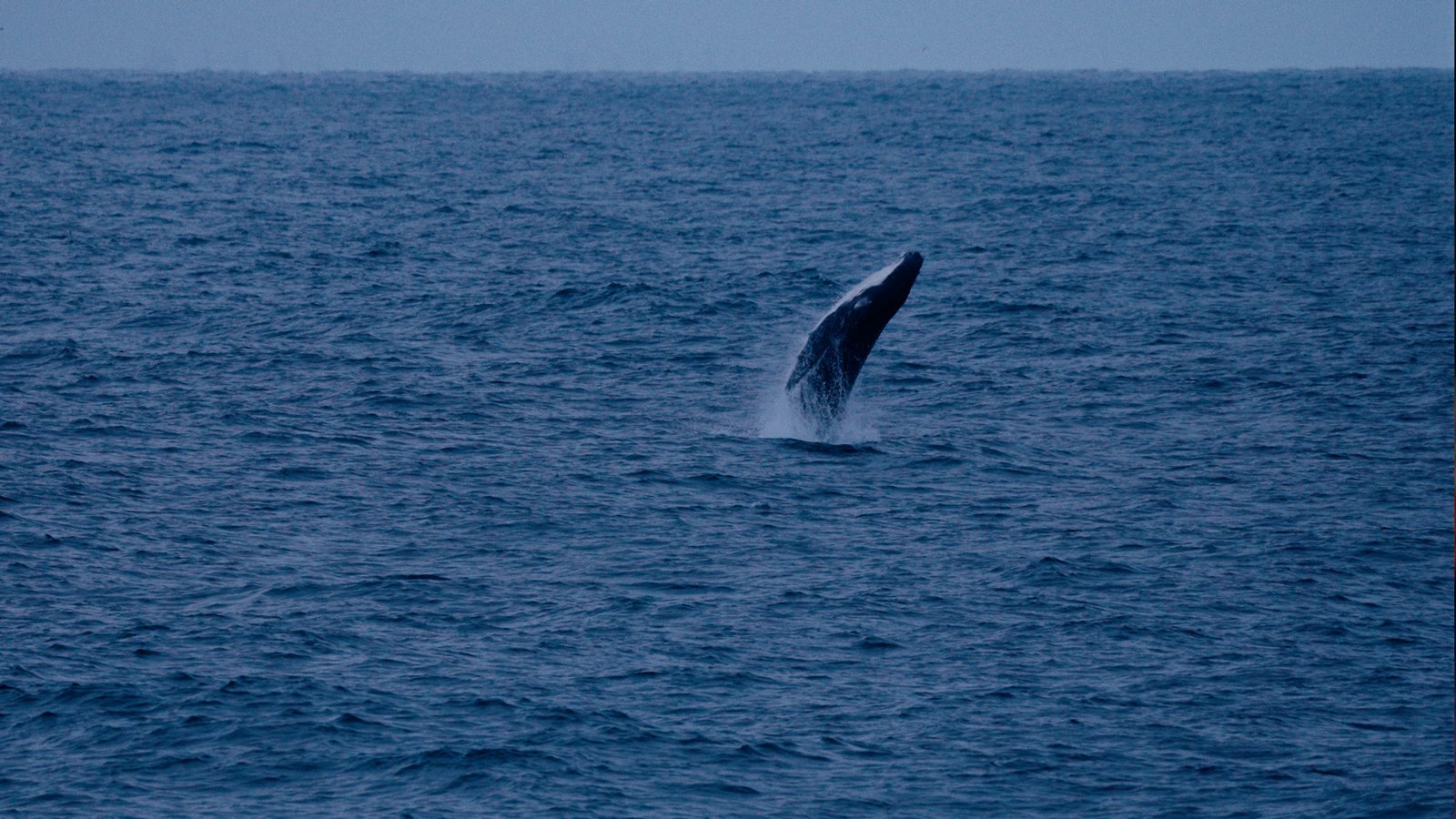
It really felt like the more I planned and organised, the less it all seemed to align. This isn’t my usual style or approach, but I just had to keep showing up and see what happened. I spent a lot of time filming whales, and when you successfully capture a whale breaching that’s always a great feeling. But I think the more subtle moments had more of an impact on me. Over the course of a few days, the students began to relax and drop into themselves, and documenting them reawakening their ancestry and absorbing the stories in real time was precious.
Working with the natural world can be challenging, but there were moments of animals or conditions aligning that felt pretty cosmic, like the waterfall shot at the beginning of the film. I just happened to arrive when no other people were around, the wind was just right for the mist from the waterfall to hang in the air and not soak my lens, the sun was just right to get amazing lens flares – it all just seemed to line up. I didn’t consciously plan any of these variables as I had never been to that particular waterfall. Bearing witness to that magic brings me back to why I embarked on this journey of filmmaking in the first place.
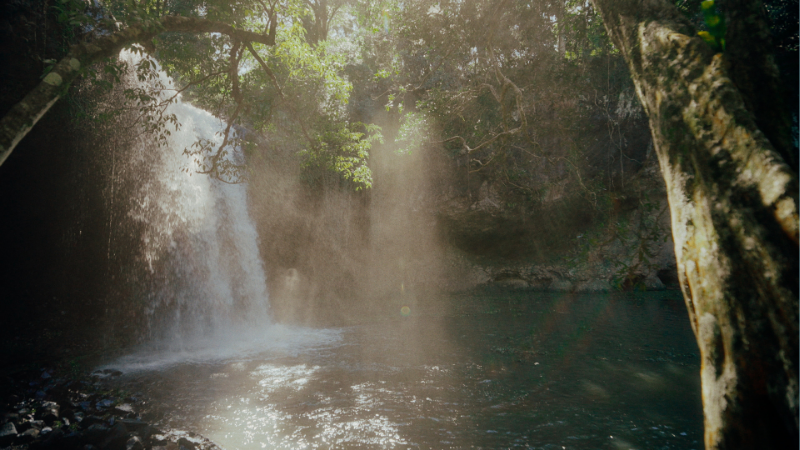
Waterfall shot from Gaga Wakulda
What excites you about Gaga Wakulda’s premiere at the Far South Film Festival? What do you hope people take away from the film?
So much time and so many people went into making it – it’s nice to share that with everyone in this way. Cinema was meant to be shown on the big screen with good sound, so it’s quite special to experience it in the way it was intended. We all live such busy fast-paced lives, so I love creating an environment and experience for the audience to be still, present and focused.
Being able to meet other filmmakers and artists to see their work is always super inspiring, too. I think the community aspect of these events with screenings, Q&A’s and discussion panels can foster connection and inspiration amongst all people at various points in their respective creative careers and processes.
Anything else you’d like to share?
To Nicole and the team at Red Room Poetry, thanks for the opportunity, trust, resources and creative freedom to create something special. To all of the communities we worked with, thank you for inviting us in with open arms. To Andrew Kaineder, thanks for all your help from start to finish. To Russ and his team, thanks for your patience and talent in shaping the sound. To Craig, thank you for the colour grading bender. To Benny, thanks for chasing me around with lenses, tripods and microphones. To Nancy, thank you for your artwork. Thank you to the magic around us for allowing it to happen!
Attend the Screening
The 7th annual Far South Film Festival is taking place in Merimbula NSW. Gaga Wakulda will be showing at the morning session on Saturday, 15 August.
Book your spot here.
First Look: Gaga Wakulda