All In: National Reconciliation Week 2026
National Reconciliation Week starts tomorrow. Are you in?
Each year from 27 May to 3 June, National Reconciliation Week invites all Australians to learn about our shared histories, cultures and achievements, while reflecting on how each of us can contribute to reconciliation in meaningful and ongoing ways. In 2026, the theme All In calls on us to move beyond passive support and towards collective responsibility — reminding us that reconciliation requires participation, courage, listening and action from all of us.
Preceded by National Sorry Day on 26th May — a crucial date celebrated all around the country in remembrance of the ‘Bringing Them Home’ report tabled in federal parliament in 1997 — Reconciliation Week is also marked by two significant milestones: the 1967 referendum and the 1992 High Court Mabo decision. These dates remind us that reconciliation is not abstract. It is grounded in justice, accountability and the ongoing recognition of Aboriginal and Torres Strait Islander rights, sovereignty and cultural knowledge.
At Red Room Poetry, we believe that poetry can be a powerful force for truth, healing and cultural understanding. Poetry encourages deep listening and invites us to reflect and hold space for complexity, grief, memory and hope. First Nations poets, communities, Elders and custodians, lead us in this work and show us how care, identity, Language, community and Country are all connected.
Our Truth and Reconciliation Pledge
In 2021, Red Room Poetry publicly committed to a Truth and Reconciliation Pledge, outlining the tangible ways we honour First Nations voices and leadership in our organisation and programs. This pledge is an evolving, action-led commitment to equity, sovereignty and care. We invite you to read the pledge, reflect on it and join us in continuing this important work.
Our First Nations Programs
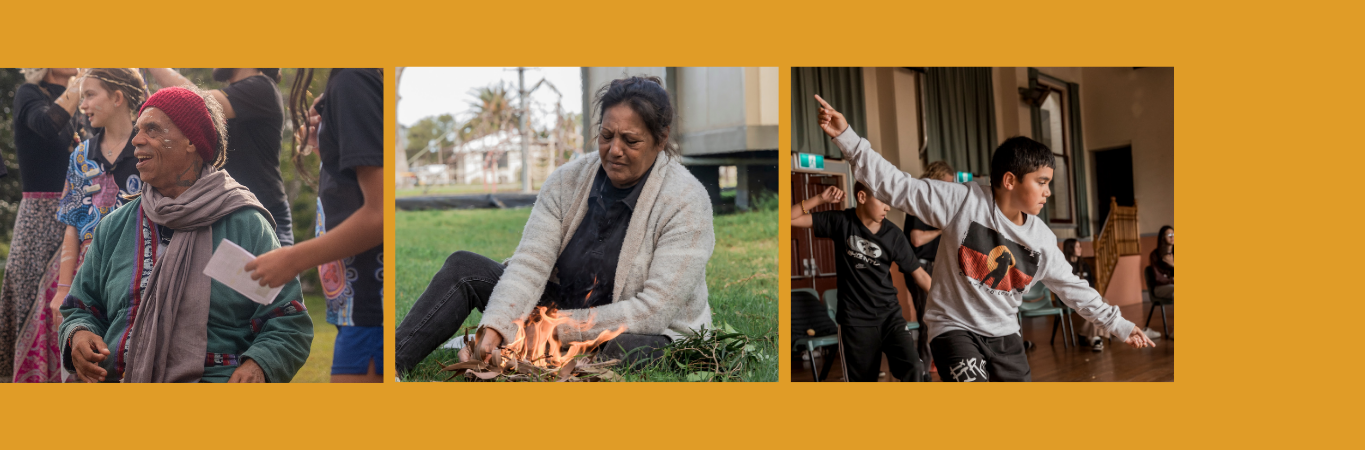
Red Room Poetry’s First Nations programs are grounded in cultural consultation, deep listening and respectful collaboration. Poetry in First Languages, Baraya Barray (Sing Country) and Blak Bites are initiatives led by First Nations artists and guided by Country. Each project creates space for intergenerational learning, Language revitalisation and poetic storytelling. They connect young people with Elders, Knowledge Holders, poets, musicians and community leaders. Through workshops, performances, writing prompts, collaborations and commissions, these programs honour poetry not only as an artform, but as cultural practice connected to Country, kinship and continuity.
Poems that Speak to Country, Culture and Truth
In honour of National Reconciliation Week, we’ve curated a selection of poems from our archive that speak to themes of Country, truth-telling, survival, resistance, memory and healing. These poems are invitations to listen more deeply, to honour Indigenous knowledge, engage more openly and reflect on what it means to be All In — not just during this week, but every day.
Explore the collection below:
-
1967 Encouraged The Right Vote Now?
By Lionel FogartyReferendum who will vote for see –
Citizen to who will write the truth.
Refer what census over prohibition of us,
Who custom attitudes still stands by the old -
We Not Strangers or Visitors
By Charmaine Papertalk GreenFirst Nations peoples connecting to land they are not strangers or visitors.
Yamaji nyinayugundi
Old ground our country with ancient ones deep within
Winja barna -
Born to Fight
By Kaitlen WellingtonBlak curly hair
Brown skin
Brown eyes
Broad shoulders -
Our Responsibility
By Kerry Bulloojeeno Archibald MoranNarrjarrwinni
Giinagay
Yawayi
-
Baraya Barray - Whale Song
By Sonya HolowellI am a multidisciplinary artist, which I think reflects the way my ancestors have practised the interconnectedness of artforms. I often vocalise my written poetry, or create poetry with the potential to be musically interpreted. But more than this, poetry is pattern, and it is everywhere. Beyond mere associations to alphabetic text, poetry can be … -
Sunset over my Country, 2005
By Steven RussellThis painting is of my Country. It depicts the Georges River and Botany Bay, Dharawal Country.
~ Uncle Steven Russell
Uncle Steve's painting is a visual poem on how he sees and feels Country, it's meaning, shape, pattern and colour. It is a map of both the interior and exterior Country, as this is all one. As is poetry. From a First Nation…
More Ways to Engage
- Attend a poetry event led by First Nations voices during Reconciliation Week.
- Share these poems with your networks, friends or classrooms.
- Reflect on what reconciliation means to you — and how you can take action.
- If you’re an educator or parent, engage with Ali Cobby Eckermann: HSC English Resource.
Reconciliation begins with listening to the land, to story and to each other. Thank you for joining us in this ongoing journey.